

Anxiety Disorder Treatment: Why Tailored Approaches Are Essential | Safe and Sound
Treating anxiety disorders shouldn't be simply understood as taking medication, trying to calm down, or applying some temporary relaxation techniques. Anxiety can manifest very differently in each person: some experience insomnia, rapid heartbeat, and shortness of breath; others are constantly restless, have difficulty concentrating, or are excessively fearful or worried about small things in life.
Therefore, each person may need a different approach depending on their symptoms, severity, risk factors, co-existing mental health conditions, and response to treatment. This article will help you understand the different treatment options for anxiety disorders, from medication and psychotherapy to lifestyle changes, and when to seek professional help instead of trying to manage it alone.
Treating anxiety disorders should begin with a proper understanding of the condition.
Anxiety is a normal emotional response, especially when people face pressure, difficulties, or uncertain situations. However, when anxiety becomes severe, prolonged, and affects daily life, it may be a sign that requires more attention.
Anxiety disorders are more than just feeling "overthinking" or "worrying." This condition can affect emotions, thoughts, the body, and behavior. A person might frequently feel uneasy, have difficulty staying calm, struggle to concentrate, experience insomnia, fatigue, or panic attacks. Some people may exhibit more pronounced physical symptoms such as rapid heartbeat, shortness of breath, tremors, sweating, nausea, diarrhea, muscle tension, or an uncontrollable feeling of restlessness.
A common misconception is that anxiety symptoms aren't always the same. Some people go to work, school, or care for their families normally, but are constantly stressed internally. Others experience anxiety that significantly affects their sleep, concentration, communication, or daily activities. In children and adolescents, anxiety can be related to punctuality, school activities, or events that make them feel uneasy.
Therefore, treating anxiety disorders should begin with understanding the condition correctly, rather than hastily labeling the patient as weak, lacking self-control, or overthinking. Early recognition of symptoms helps patients and their families know when to adjust their lifestyle, when to seek psychological counseling, and when to consult a doctor for appropriate intervention.
This article is not intended for self-diagnosis. The important thing is that readers have a better understanding of their own situation or that of their loved ones, and can proactively seek professional support when anxiety is affecting their quality of life.
>> See also: Learn about mixed anxiety and depression disorder with a psychologist
Why might each person require a different approach to intervention?
There is no one-size-fits-all approach to treating anxiety disorders. While anxiety can manifest differently in different individuals—some experience prominent physical symptoms, others more affected by thoughts, emotions, or sleep disturbances. Some suffer from anxiety related to prolonged stress, while others may have other underlying mental health issues.
Therefore, an appropriate intervention should be based on a specific assessment, not just on feelings of "how much or how little worry" there is. Some people need medication for a period, some are better suited to psychotherapy, some need lifestyle changes, and in some cases, a combination of approaches as prescribed by a professional is necessary.
 Because anxiety symptoms vary from person to person.
Some people express anxiety primarily through their bodies. They may frequently experience a rapid heartbeat, shortness of breath, trembling, sweating, nausea, muscle tension, or startling. These symptoms make them feel like their bodies are constantly in a state of tension, even though they can't always pinpoint what's causing the anxiety.
Others are more affected in their thoughts and emotions. They may experience constant anxiety, difficulty staying calm, fear, insecurity, difficulty concentrating, or be constantly preoccupied with seemingly minor worries. Anxiety can be recurring, leaving sufferers exhausted and unable to enjoy life as before.
Some people also experience sleep disturbances, persistent fatigue, or panic attacks. Because each group of symptoms has different levels of severity and impact, treatment should be considered based on the prominent symptoms, duration, and extent of impact on daily life.
Because risk factors and living environments vary.
Anxiety disorders can be associated with a variety of risk factors. Some people have a history of trauma, having experienced a traumatic event or prolonged stress. Others experience pressure from work, finances, chronic illness, or major life changes.
Life circumstances also influence how individuals experience anxiety. Those with less support may find anxiety more severe. People who are introverted, shy, or tend to keep their emotions to themselves may also have difficulty talking about what they are experiencing. If the patient also has other mental health issues, the approach to intervention needs to be considered even more carefully.
Therefore, treatment should not be based solely on the experiences of others. A method that works for one person may not work for another. Assessing risk factors, living circumstances, and the level of impact will help professionals develop a more personalized support plan for each individual case.
Because the goal of treatment is not just to "relieve the worry immediately."
Many people seeking treatment for anxiety disorders often hope for a quick disappearance of their anxiety. However, treatment should not only aim to alleviate immediate symptoms but also help patients better understand how their thoughts, feelings, and behaviors are related to their anxiety.
Some medications take time to work and must be taken as prescribed by a doctor. Psychotherapy also requires the patient's participation, motivation, and time. Lifestyle changes can support the recovery process, but should not be considered a complete replacement when anxiety has significantly impacted daily life.
 Therefore, treating anxiety disorders should be viewed as a process. The goal is not just to "relieve anxiety" for a few days, but to help patients understand their condition, learn how to cope more appropriately, and reduce the long-term impact of anxiety on their lives.
Treatment options for anxiety disorders are often considered.
In practice, treatment for anxiety disorders may involve one or more interventions. The choice of approach depends on professional assessment, symptom severity, overall health, and individual response.

Some commonly considered approaches include:
- Medication Treatment: Several groups of medications may be prescribed by a doctor to help control anxiety symptoms, depending on the specific case. Depending on the type of anxiety disorder and the specific condition, the doctor may consider medications such as SSRI or SNRI antidepressants. In some cases, other medications may be used depending on the diagnosis and treatment goals. Patients should not self-medicate, change dosages, or discontinue medication on their own, as some medications require close monitoring and should only be used for a limited time.
- Psychotherapy: Psychotherapy, particularly cognitive behavioral therapy, helps patients understand the connection between thoughts, feelings, and behavior. It's not just about "talking to relieve stress," but a structured, professional process.
- Relaxation therapy and individual psychological support: These therapies help patients stabilize their emotions, better understand the physical symptoms associated with anxiety, and learn how to respond more appropriately in their daily lives.
- Lifestyle changes: Exercise, yoga, getting enough sleep, eating a healthy diet, and limiting alcohol and stimulants can help reduce stress. However, these are supportive measures and should not completely replace professional treatment if symptoms are persistent or severe.
- Multi-pronged intervention: In some cases, a combination of medication, psychotherapy, and lifestyle modifications may be necessary. This combination should be based on professional assessment, rather than self-administering multiple methods based on intuition.
The important point is that no single treatment approach should be taken for granted. Medication isn't the only option, but it shouldn't be ruled out when a doctor deems it necessary. Psychotherapy can play a crucial role, but it requires time and active participation. Lifestyle changes help support overall health, but they're not sufficient to replace treatment when anxiety has significantly impacted one's life.
How do medication, psychotherapy, and lifestyle changes differ?
Each intervention plays a different role in the treatment of anxiety disorders. The table below helps readers better understand the differences between medication, psychotherapy, lifestyle changes, and a combination of multiple approaches.
|
Intervention approach |
Main role |
When is it appropriate? |
Important note |
|
Use medication |
Support in managing anxiety symptoms in appropriate cases. |
When the doctor determines that medication is necessary. |
Do not buy medication, change dosages, or stop taking medication without consulting a doctor. |
|
Psychotherapy |
Helping patients understand their thoughts, feelings, behaviors, and coping mechanisms for anxiety. |
When patients need to learn how to identify and regulate their responses to anxiety. |
It requires time, patient involvement, and therapist expertise. |
|
Lifestyle changes |
Supports relaxation, improves overall health, and reduces stress. |
When it's necessary to build habits to support the treatment process. |
It should not be considered a complete substitute for professional medical treatment if symptoms are severe. |
|
Multi-directional coordination |
Create a more comprehensive intervention plan. |
When anxiety affects multiple aspects of life or requires simultaneous support. |
It needs to be evaluated, monitored, and adjusted accordingly. |
Looking at the table, it's clear that treating anxiety disorders isn't a matter of choosing one method and applying it uniformly to everyone. Some people need to prioritize symptom stabilization first, others need to work deeper into their thoughts and behaviors, and still others need to rebuild their lifestyle habits to support the recovery process.
It is important that patients do not assume that one method is "stronger" or "better" than another. Each approach has its own role. When chosen correctly and monitored appropriately, these methods can complement each other in the treatment process.
>> See also: Treatment methods for anxiety disorders by psychologists
When should you seek professional help in treating anxiety disorders?
Patients should consider seeking professional support when anxiety is prolonged, severe, or begins to affect daily activities. If feelings of anxiety are no longer a temporary reaction to a specific event, but become frequent, difficult to control, and reduce quality of life, it is a sign that they should not continue to suffer in silence.
Some symptoms to watch out for include difficulty sleeping, difficulty concentrating, frequent restlessness, anxiety, panic attacks, rapid heartbeat, shortness of breath, tremors, nausea, muscle tension, or a constant feeling of physical stress. When these symptoms recur and make it difficult for the patient to work, study, communicate, or care for themselves, professional evaluation is necessary.
Patients should also seek support if they have tried rest, exercise, and lifestyle adjustments but their condition has not significantly improved. For children and adolescents, parents need to pay attention when anxiety affects their learning, school activities, sleep, concentration, or sense of security, as children don't always express their anxiety clearly.
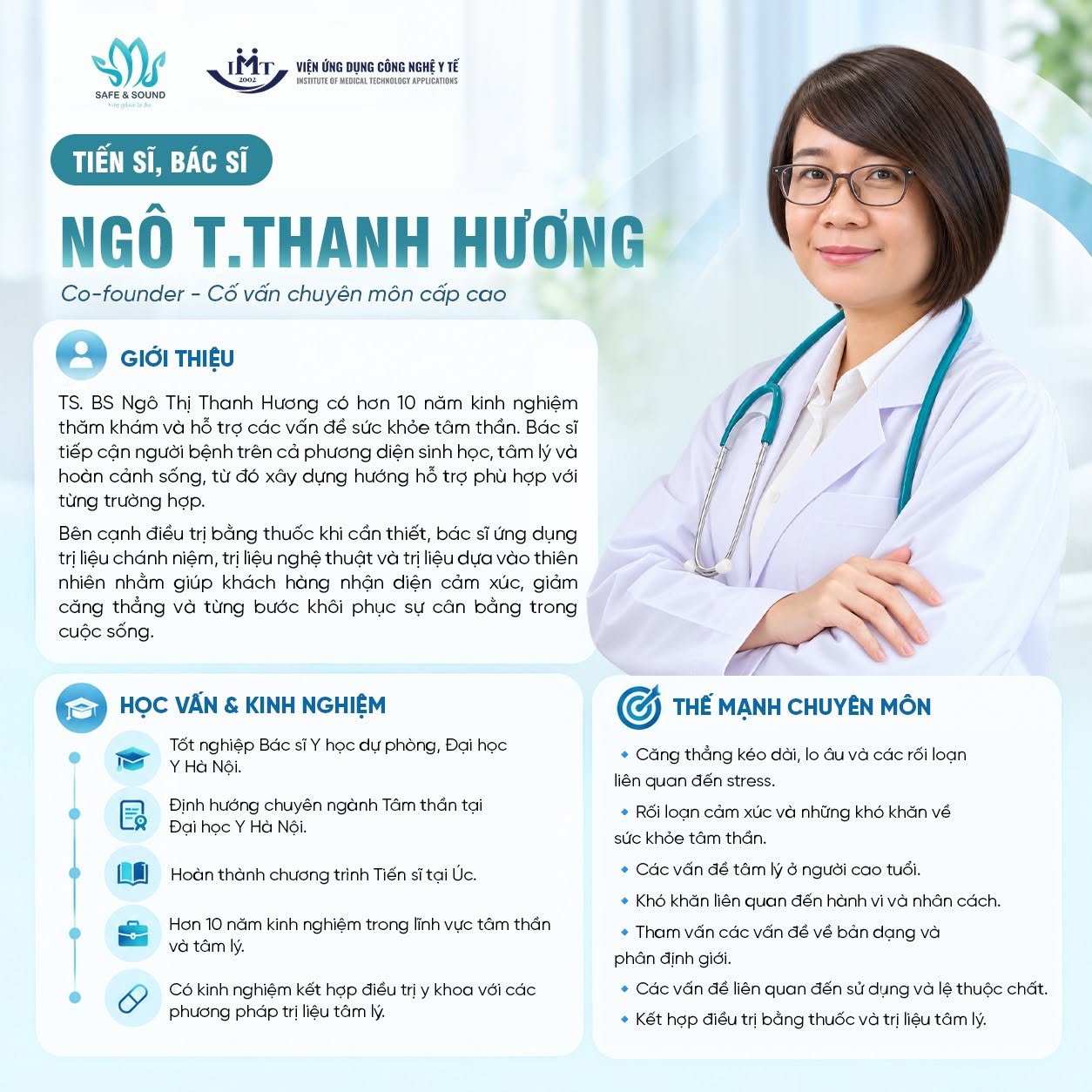
Seeking professional support doesn't mean the situation is "too severe," but rather helps patients better understand what they're going through, avoiding self-medication or discontinuing treatment prematurely. If anxiety is persistent and affects sleep, emotions, concentration, or quality of life, SNS (Safe & Sound Clinic) can be a place where patients and their families can seek professional support in a cautious, non-judgmental, and situation-appropriate manner.
Conclude
Treatment for anxiety disorders should not be viewed as a one-size-fits-all solution. Some people need medication, some are suited to psychotherapy, some need lifestyle changes, and in some cases, a combination of approaches based on professional assessment is necessary.
It's important to understand that anxiety can manifest differently in each person, from emotions and thoughts to physical symptoms such as difficulty sleeping, rapid heartbeat, shortness of breath, nausea, or muscle tension. Therefore, treatment should be based on the specific condition and should not be based on someone else's experience.

Patients should not self-diagnose, self-medicate, change dosages, or discontinue treatment without professional guidance. If anxiety persists and affects daily life, studies, work, or relationships, seeking appropriate support will help make treatment safer and more focused.
